Tuscarawas County Auditor is the chief financial officer for the county, responsible for managing public funds and property records. This office ensures that all tax assessments are accurate and that county finances follow Ohio law. Residents and local businesses rely on the auditor for clear and reliable information about property values, taxes, and budgets. As a key Tuscarawas County Auditor Ohio office, it provides transparency and accountability for all fiscal matters. The auditor also supports other county departments by maintaining organized financial records and reports.
Property Records Search
The Tuscarawas County Auditor Ohio oversees several important functions that affect daily life in the county. This includes property valuation, tax collection, and managing public financial records. Acting as a county fiscal office and public fiscal authority, the auditor ensures that county spending and budgeting are transparent and fair. Property owners can access assessments and tax histories, while local officials receive accurate reports for planning and decision-making. By providing these services, the Tuscarawas County Auditor helps maintain trust and efficiency within county administration.
Property Valuation, Assessment, and Real Estate Records
The Tuscarawas County Auditor manages property valuation and maintains comprehensive real estate records for all parcels within the county. Property owners rely on this office to determine the taxable value of their land and buildings, which forms the basis for local property taxes. Understanding how these assessments work helps residents verify their property data and ensures they are taxed fairly.
How Property Values Are Calculated
Property assessment in Tuscarawas County follows a structured methodology to maintain accuracy and fairness. The auditor considers several factors:
- Market Value: Recent sales of similar properties in the area help determine a property’s current market value.
- Property Characteristics: Size, location, structure type, age, and condition of the building influence the assessed value.
- Improvements and Renovations: Upgrades such as new additions, remodeling, or significant maintenance may increase the property’s taxable value.
Understanding Reassessments
Properties are periodically reassessed to reflect changes in the real estate market and improvements made to the property. A reassessment can lead to an increase or decrease in the taxable value, which directly affects property tax bills. Residents are encouraged to review their notices carefully and contact the auditor’s office if they believe the assessment does not accurately reflect their property. Regular reassessments help maintain a fair property tax valuation across the county, ensuring that no property owner is over- or under-taxed. The Tuscarawas County Auditor also provides guidance for property owners regarding exemptions, such as agricultural or homestead credits, which can impact taxable value.
Accessing Real Estate Records
The auditor maintains a detailed real estate database, including parcel numbers, owner information, property descriptions, and assessed values. Rather than manually visiting the office, residents can use the interactive tool provided below for faster results:
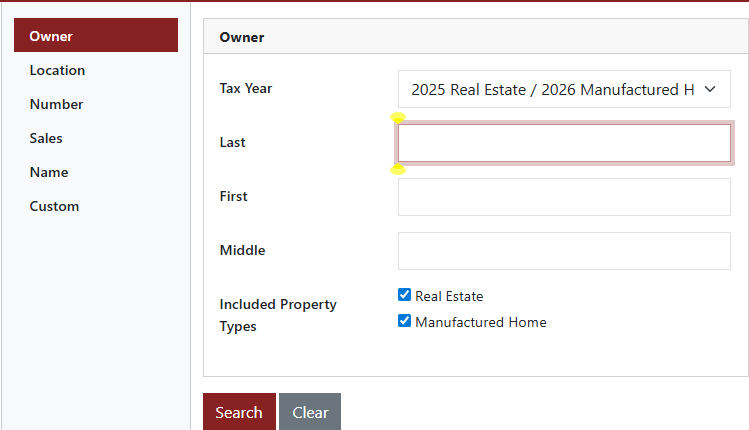
Property Search Tool
(Search by parcel number, owner name, or address)
This tool allows users to:
- Perform a parcel lookup for specific properties.
- Check the current property assessment and taxable value.
- Access historical real estate records and prior assessments.
Property Taxes, Tax Rates, and Financial Oversight
The Tuscarawas County Auditor plays a central role in managing property taxes and overseeing the county’s finances. While the auditor handles valuation, assessments, and record-keeping, the treasurer collects taxes and distributes them to local governments. Understanding this distinction helps residents navigate the system, ensures transparency in the public fiscal office, and reduces confusion about where to direct questions or concerns. Accurate records and fair calculations maintain trust between the county and property owners.
How Property Taxes Are Calculated
Property taxes in Tuscarawas County are based on the property’s assessed value combined with local millage rates. Each parcel receives a taxable value determined by the auditor, and the millage rate establishes how much is owed per $1,000 of assessed value. Additional factors such as local levies, school funding, or municipal assessments can increase the total tax bill. By explaining these fundamentals, the auditor helps residents understand why their property taxes reflect certain amounts and how funds are allocated within the county.
Key elements affecting property taxes:
- Assessed value: Determined by the auditor using property size, type, condition, and market comparisons
- Millage rate: Set by local authorities to fund schools, township services, and infrastructure
- Levies and assessments: Special charges or bond repayments added to the base tax
- Tax distribution: Ensures collected taxes are correctly allocated to schools, townships, and municipal services
The Auditor’s Role in Fiscal Oversight
The auditor serves as the county’s chief public fiscal office, ensuring transparency and accountability in property taxation. This office maintains accurate property records, prepares tax rolls, and supports fair distribution of funds. Working with the treasurer, the auditor monitors levies, ensures legal compliance, and provides detailed documentation for property owners. By maintaining clear and organized financial data, the office strengthens fiscal accountability and supports decision-making for local governments.
Key responsibilities of the auditor include:
- Maintaining property valuations and accurate assessments
- Preparing comprehensive tax rolls for all parcels
- Coordinating with the treasurer for proper tax collection and distribution
- Monitoring special levies and municipal assessments to ensure compliance
Reducing Taxpayer Confusion
Property taxes can be confusing because of multiple levies, assessments, and changing millage rates. The auditor’s office provides tools and guidance to simplify this process. Residents can use the Interactive Property Search Tool to verify their property’s assessed and taxable value, see how taxes are distributed among schools, townships, and municipalities, and understand the impact of levies and bond repayments. By providing clear data and maintaining transparent records, the auditor reduces confusion and helps residents make informed financial decisions regarding their property.
Ways to reduce confusion and verify property tax information:
- Check assessed and taxable values online
- Review the distribution of taxes across local services
- Confirm the impact of special levies or bond repayments on total tax bills
- Access historical tax records for accuracy and planning
Online Services and Digital Records Access
The Tuscarawas County Auditor provides a variety of online services and digital records access to make property and fiscal information more accessible. Residents and businesses can interact with the auditor’s office remotely, reducing the need for in-person visits. By offering a secure online records portal and digital database, the auditor promotes transparency, efficiency, and convenience for everyone seeking property, tax, or public record information. Using these tools, users can quickly perform searches, download records, or view property valuations, ensuring that official data is always up to date and accurate. The system is designed to be intuitive, helping residents find the information they need without confusion or delay.
Property Record Search URL
The Property Record Search Tool allows users to access detailed information about properties in Tuscarawas County. This includes ownership, parcel numbers, assessed values, and historical property data. By using the tool, residents can verify their property’s taxable value, check legal descriptions, and monitor changes over time.
Official tool link: https://auditor.co.tuscarawas.oh.us/Search
Key features of the Property Record Search Tool:
- Search by parcel number, owner name, or address
- View assessed and taxable values for all properties
- Access historical property records and previous assessments
- Print or save property reports for personal or legal use
- Supports self-service without visiting the auditor’s office
Tax Estimation / Valuation Viewer
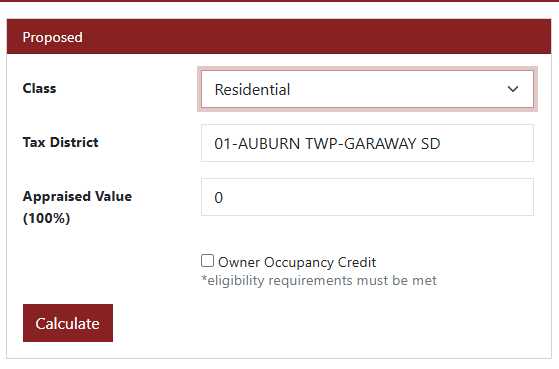
The Tax Estimation / Valuation Viewer allows property owners to understand how their taxable value translates into property taxes. Users can estimate bills based on current millage rates, levies, and assessments, giving them insight into potential changes before tax statements are issued. This tool helps residents plan their finances and check the accuracy of official assessments.
Official tool link: https://auditor.co.tuscarawas.oh.us/TaxEstimator
Key capabilities include:
- Estimate property taxes using current millage rates and levies
- View taxable value calculations for individual properties
- Compare past and present assessments for trends or changes
- Identify how exemptions or credits may impact tax obligations
Downloadable Public Records Access
The auditor also provides a Downloadable Public Records Access option, allowing users to obtain copies of official documents for research, real estate transactions, or legal purposes. This digital service ensures transparency and reduces the need for physical visits to the office. Residents can access records quickly, safely, and securely, supporting the county’s commitment to electronic records access.
Features of downloadable access include:
- Download property, tax, and assessment records in PDF or Excel formats
- Access a wide range of public records database files
- Save documents for personal, legal, or business use
- Supports efficient retrieval for large or detailed records
Core Duties and Legal Responsibilities of an Ohio County Auditor
The Ohio County Auditor serves as the chief fiscal officer for the county, ensuring all property and financial records comply with state law. Residents, businesses, and county officials rely on the auditor to maintain accuracy in property valuations, tax records, and financial oversight. Understanding the county auditor duties provides clarity about this office’s responsibilities and emphasizes its role in maintaining transparency, compliance, and trust within the county’s financial system.
Property Valuation and Assessment
The auditor is responsible for real property assessment, which forms the foundation of property taxation. Each parcel is evaluated for its market value, physical improvements, and other characteristics to determine a fair taxable value. This process follows Ohio’s valuation standards, ensuring consistency across the county. Accurate assessments not only support fair taxation but also provide critical data for local government planning and revenue allocation.
Key aspects of property valuation include:
- Determining market value based on recent sales and comparable properties
- Reviewing land size, building type, age, and condition
- Including improvements or renovations to adjust taxable value
- Maintaining fairness and uniformity across residential and commercial properties
Maintaining Tax Duplicates
A core responsibility of the auditor is maintaining tax duplicates, the official records of all taxable properties and their assessed values. These duplicates ensure that property taxes are calculated accurately and that every parcel is properly accounted for. By keeping these records up to date, the auditor supports both the treasurer in collecting taxes and residents in verifying their property obligations.
Functions of tax duplicates include:
- Listing all properties and current owners
- Showing assessed and taxable values
- Supporting accurate tax billing and collection
- Providing official records for public verification
Fiscal Oversight and Compliance
The auditor ensures fiscal compliance by monitoring local levies, municipal assessments, and other charges applied to properties. This oversight helps prevent errors in tax calculations and ensures that revenue collection follows legal requirements. By identifying discrepancies, the auditor maintains accountability and reinforces public confidence in the county’s financial system.
Fiscal oversight responsibilities include:
- Verifying accuracy of levies and special assessments
- Monitoring municipal and school funding allocations
- Ensuring compliance with Ohio statutes and local regulations
- Supporting the treasurer with correct tax collection
Financial Reporting and Accountability
The auditor prepares detailed financial reports that summarize revenue collection, fund distribution, and the county’s overall financial status. These reports support informed decision-making by local officials and provide transparency for residents. By maintaining precise documentation and adhering to statutory reporting requirements, the auditor strengthens fiscal accountability and reinforces trust in local government operations.
Financial reporting highlights:
- Preparing revenue and expenditure reports
- Tracking fund allocation across county departments
- Ensuring accuracy in public fiscal documentation
- Providing insight into the county’s financial health
When to Use Online Search vs Filing a Formal Records Request
The Tuscarawas County Auditor provides both online access to public records and the option to file a formal records request. Knowing when to use each method helps residents and businesses get the information they need efficiently while reducing unnecessary requests. Online tools are ideal for quick lookups, while formal requests are necessary for detailed or non-digitized records. Understanding the difference also supports transparency laws and promotes open government practices.
Using the Online Search
Online search tools allow users to access commonly requested information from the comfort of home. This includes property records, tax information, and other publicly available documents. The auditor’s digital database and online records portal make it easy to perform public document inspection without visiting the office. Online searches are faster, often provide immediate results, and help reduce in-person traffic at the auditor’s office.
Official tool link: https://auditor.co.tuscarawas.oh.us/Search
When to use online search:
- Checking current property assessments or taxable values
- Viewing parcel ownership and real estate records
- Accessing downloadable historical property or tax documents
- Performing general research without needing certified copies
Filing a Formal Records Request
Some records are not available online or require certification. Filing a formal records request ensures access to these materials, especially when documents are detailed, archived, or sensitive. The auditor’s office processes these requests according to Ohio’s records retention and public disclosure laws. Formal requests may take more time but are necessary for legal, professional, or official purposes.
When to file a formal records request:
- Requesting certified copies of deeds or property records
- Accessing older or archived documents not in the digital system
- Obtaining detailed financial reports or specialized public records
- Situations where official documentation is required for legal or business use
Role of the Auditor in County Administration & Public Finance
The Tuscarawas County Auditor serves as a critical part of county administration, supporting the financial and operational functions of local government. Acting as the chief officer of the public fiscal office, the auditor ensures that all county departments have accurate financial data, enabling informed decision-making and maintaining fiscal accountability. By coordinating with other offices, the auditor helps streamline administrative processes and ensures compliance with state regulations.
Supporting County Departments
The auditor’s office plays a central role in assisting other county offices with budget management, tax collection, and financial reporting. Accurate assessments and timely record-keeping provide essential information for the treasurer, commissioners, and other departments. This coordination allows the county to maintain budget oversight, prevent errors, and ensure funds are properly allocated.
Key ways the auditor supports county departments:
- Providing up-to-date property assessments for tax revenue planning
- Supplying detailed financial reports for county budget decisions
- Verifying levies, special assessments, and fund allocations
- Ensuring departments comply with public fiscal regulations
Coordination and Financial Oversight
Beyond supporting individual offices, the auditor ensures the integrity of county financial systems and oversees the flow of public funds. This includes reviewing expenditures, monitoring compliance with legal requirements, and maintaining accurate records for auditing purposes. By managing these responsibilities, the auditor strengthens public sector accounting practices and supports administrative governance across the county.
Benefits of auditor coordination include:
- Transparent tracking of public funds and expenditures
- Consistency in financial reporting across departments
- Efficient allocation of resources to support county operations
- Improved accountability and trust in local government
Overview of the Tuscarawas County Auditor Office
The Tuscarawas County Auditor Office serves as a cornerstone of county government operations, providing essential financial and administrative services. As an elected county official, the auditor oversees property assessments, maintains official records, and ensures transparency in fiscal management. The office balances both public-facing services for residents and internal functions that support other departments, making it a key component of fiscal administration in Tuscarawas County.
Structure of the Auditor’s Office
The auditor’s office is organized to manage multiple responsibilities efficiently, including property valuation, tax record maintenance, financial reporting, and public services. Staff members are assigned to specific divisions to handle tasks like property assessment, digital records management, and auditing functions. This structure allows the office to operate smoothly, ensuring that county operations remain consistent and compliant with Ohio law.
Key divisions and functions include:
- Property Assessment Division: Determines taxable value of real estate and improvements
- Records and Digital Services: Maintains online databases and provides access to public documents
- Financial Oversight Division: Supports budget oversight and interdepartmental accounting
- Administrative Services: Coordinates office operations and public inquiries
Role in County Administration
The auditor’s office works closely with the treasurer, commissioners, and other departments to ensure county administration runs efficiently. By providing accurate property valuations, maintaining tax rolls, and preparing financial reports, the office supports effective local government services. Residents interact with the office for property searches, tax inquiries, and records access, while internal coordination ensures legal compliance and smooth fiscal management.
Benefits of the office’s public-facing and internal functions:
- Quick access to public records via online search tools
- Transparent reporting for taxable property values and revenue
- Reliable support for other county departments in budgeting and fund allocation
- Enforcement of fiscal policies and compliance with Ohio statutes
How to Contact or Visit the Tuscarawas County Auditor Office
The Tuscarawas County Auditor Office provides clear channels for residents, businesses, and property owners to connect with staff for property records, assessment questions, tax inquiries, or public records requests. Whether you prefer to reach out by phone, email, online, or in person, having accurate county government contact information helps you get the support you need quickly and easily.
Visiting the Auditor’s Office
The auditor’s office is open for in‑person visits during regular office hours, making it easy to speak with staff, review public documents, or submit paperwork. Visitors can bring property information or documentation to help staff assist them more efficiently. In‑person visits are ideal when you need certified copies, detailed records, or personalized guidance.
Office Visit Details:
- Location: 125 East High Avenue, Room 120, New Philadelphia, OH 44663
- Office Hours: Monday – Friday, 8:00 AM – 4:30 PM
- Services Offered: Property record inspection, valuation inquiries, tax questions, public document access
Contacting the Office Remotely
If visiting in person isn’t convenient, you can contact the auditor’s office by phone or email for fast assistance. Staff can often answer questions, guide you through online tools, or help you understand property information without the need for an office visit. Using remote contact options can save time and support your county government contact needs from anywhere.
Remote Contact Options:
- Phone: (330) 365‑3220
- Fax: (330) 365‑3397
- Email: auditor@co.tuscarawas.oh.us
- Official Website: https://auditor.co.tuscarawas.oh.us
Frequently Asked Questions
The Tuscarawas County Auditor plays a vital role in managing property records, valuations, and county finances. Many residents have questions about how property taxes are calculated, how assessments are determined, and what services the auditor provides. This FAQ section addresses the most common inquiries, helping residents understand the auditor’s responsibilities, access public records efficiently, and use online tools effectively. By clarifying these processes, the auditor’s office ensures transparency, compliance, and trust in county administration.
What does the Tuscarawas County Auditor do?
The Tuscarawas County Auditor oversees property assessments, maintains official tax records, and manages the county’s public fiscal office. The auditor works with other county departments to support budget planning, track revenue, and ensure compliance with Ohio law. Residents rely on the office for property record searches, assessment inquiries, and public document access. By providing accurate property data and financial oversight, the auditor ensures fairness in taxation and supports transparent decision-making within county administration.
How are property values determined in Ohio?
Property values in Ohio are calculated using a combination of market data, property characteristics, and state-mandated valuation standards. The auditor considers the size, location, age, and condition of real estate, along with any improvements or renovations. Comparable property sales in the area are also reviewed to ensure a fair assessment. These evaluations result in a taxable value used to calculate property taxes. Regular reassessments ensure consistency and fairness across all properties in Tuscarawas County.
How can I check property taxes in Tuscarawas County?
Residents can check property taxes using the auditor’s Property Record Search Tool, which allows searches by parcel number, owner name, or property address. The tool provides details on assessed and taxable values, historical tax information, and any special levies. For certified or detailed records, a formal records request can be submitted to the auditor’s office. Understanding these tools helps residents track payments, verify assessments, and see how millage rates and levies affect their property tax bills.
Can I appeal my property assessment?
Yes, property owners can appeal their assessments if they believe the taxable value is inaccurate. Appeals are filed with the county Board of Revision, supported by evidence such as recent appraisals or comparable property data. The auditor’s office can provide historical assessments and documentation needed to support the appeal. This process ensures property taxes are calculated fairly and in accordance with Ohio law, giving residents recourse if they feel their property has been overvalued.
How do I access public records from the auditor’s office?
The auditor maintains a digital database for public records and provides online tools for property searches, tax history, and assessment information. Residents can also submit formal records requests for certified copies or older documents not available online. These tools and services support transparency, compliance with open government practices, and convenient access for residents, businesses, and officials needing accurate property or financial information.