Tuscarawas County GIS map allows users to view property and land information across the county quickly and clearly. With this system, residents and professionals can locate parcels, examine land boundaries, and access detailed property data. The map highlights zoning, parcel sizes, and ownership information, making it simple for anyone to understand their property or neighborhood layout. By combining geographic data with property records, it offers a clear and interactive way to explore land details. Users can also measure areas and check property lines directly on the map for planning or personal use.
The Tuscarawas County GIS map is useful for more than just property searches. Land planners, surveyors, and developers can use it for spatial analysis, evaluating land for projects, and comparing neighboring properties. The system also provides aerial imagery and layered maps, helping users see roads, utilities, and topography in context. Residents can confirm boundaries, while professionals can generate reports for assessments or development planning. This makes the GIS map a practical tool for understanding land and property information in one convenient platform.
What is the Tuscarawas County GIS Map?
The Tuscarawas County GIS mapping system is an interactive tool that displays detailed land and property information across the county. Residents, developers, and county officials can view parcels, roads, zoning, and natural features all in one digital platform. This system combines geographic data with property records to provide a clear view of county land resources. By centralizing this information, it simplifies property analysis and planning tasks for both professionals and the public.
GIS, or Geographic Information System, is a digital method for organizing, analyzing, and displaying spatial data. Tuscarawas County uses GIS mapping to maintain an accurate county land database, supporting property assessment, planning, and community projects. The Tuscarawas County Auditor relies on this system to ensure precise property valuations and records. The system allows users to see how properties, roads, and natural features interact with one another. Local officials rely on it to make informed decisions about infrastructure, zoning, and land management, while residents can check property layouts and neighborhood details.
Types of Data Included
The Tuscarawas County GIS map contains several types of geographic information that can be layered and explored interactively. This makes it easier to analyze and compare data. Key layers include:
- Parcel boundaries – outlines and dimensions of individual properties
- Zoning information – residential, commercial, and industrial classifications
- Roads and transportation – highways, local streets, and access points
- Natural features – rivers, streams, hills, and green spaces
- Administrative boundaries – townships, municipalities, and school districts
Benefits for Planning and Analysis
The GIS system supports geographic analysis, which is critical for planning, development, and environmental management. Developers can evaluate land suitability for residential or commercial projects, while planners can identify infrastructure needs or environmental risks. Other practical uses include:
- Measuring parcel areas and distances for construction or surveys
- Visualizing land use patterns to guide zoning decisions
- Overlaying multiple datasets to identify potential development opportunities
Accessible and Reliable Land Information
Overall, Tuscarawas County GIS mapping provides clear, reliable, and interactive access to property and land data. Residents can confirm ownership and boundaries, while professionals gain tools for planning, zoning, and development. The system enhances transparency, reduces the need for physical visits to county offices, and serves as a trusted source of spatial information for the entire community.
How to Use the Interactive GIS Map
The interactive parcel map helps users view property boundaries, land details, and zoning information in a visual format. Residents, real estate professionals, surveyors, and planners can search parcels, explore neighborhoods, and analyze geographic data directly on the map. This section explains every step so users can search, move around, and use tools without confusion.
Searching by Owner Name, Address, or Parcel ID
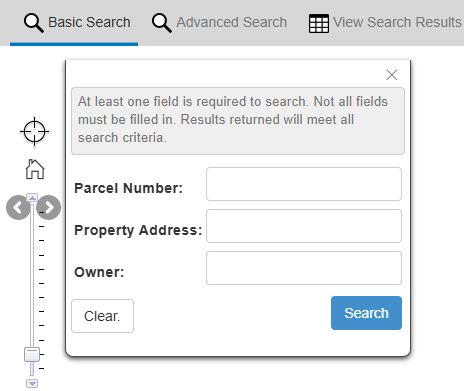
The parcel viewer tool offers multiple GIS search features to locate property records quickly. Users can search using different methods depending on what information they have. This makes the system useful for both beginners and professionals who need precise property data. Each search method returns parcel details, ownership data, and location on the map.
Official Tuscarawas County GIS map using this link: https://gis.co.tuscarawas.oh.us/Taxmap/?
- Search by owner name: Enter the property owner’s last name or full name to find all parcels linked to that owner.
- Search by address: Type the street number and street name to locate a specific property.
- Search by parcel ID: Enter the unique parcel number for the most accurate and direct result.
Zooming and Panning to Specific Areas
Once a parcel is located, users can explore the area using map navigation tools. Zooming and panning allow users to view parcels in detail or see the broader neighborhood layout. This helps users understand how a property connects with nearby roads, parcels, and natural features.
- Use the zoom in and zoom out buttons or mouse scroll to adjust the map scale.
- Click and drag the map to pan across different areas.
- Double-click a parcel to center it on the screen for quick viewing.
Using Map Layers for Roads, Parcels, and Zoning
The interactive parcel map includes multiple data layers that users can turn on or off. Layers help users focus on specific geographic information without cluttering the map. This is useful for land planning, property research, and development analysis.
- Parcel layer: Shows property boundaries and lot shapes.
- Road layer: Displays highways, streets, and local roads.
- Zoning layer: Identifies residential, commercial, industrial, and agricultural zones.
Measuring Distances and Areas on the Map
The GIS system includes tools to measure distances and land areas directly on the map. These tools provide accurate measurements without needing separate survey software. They are useful for property owners, developers, and surveyors who need quick land calculations.
- Measure the length of property lines or roads by clicking two or more points on the map.
- Calculate the total area of a parcel for planning or tax evaluation.
- Compare land sizes between multiple parcels visually.
Steps for the Interactive Parcel Map
To use the interactive parcel map effectively, follow these steps:
- Open the official Tuscarawas County GIS map using this link: https://gis.co.tuscarawas.oh.us/Taxmap/?
- Use the search bar to enter an owner name, address, or parcel ID.
- Select the correct parcel from the search results list.
- Use zoom and pan tools to explore the parcel and nearby areas.
- Turn map layers on or off to view roads, parcels, or zoning details.
- Use measurement tools to calculate distances and parcel areas.
- Click on parcels to view property details and geographic information.
Features of the Tuscarawas County Parcel Map
The Tuscarawas County parcel map is a digital tool that displays detailed land and property information in an easy-to-read map format. It helps residents, property buyers, surveyors, and county staff review parcel data, ownership details, and zoning classifications. This system combines geographic data with public records to create a reliable land parcel database for research and planning.
Viewing Property Boundaries
The parcel map acts as a property boundaries viewer, showing the exact shape and size of each parcel. Users can visually see lot lines, neighboring parcels, and how land is divided within townships and municipalities. This feature helps property owners confirm boundary lines and understand land dimensions before surveys or construction projects.
- Displays parcel outlines with clear boundary lines
- Shows neighboring parcels and lot divisions
- Highlights parcel shapes and acreage details
Parcel ID Lookup
The map includes a GIS parcel lookup tool that allows users to search properties by parcel number. Each parcel has a unique ID assigned by the county, making this search method the most accurate way to locate a property. Users can quickly retrieve parcel data without browsing multiple maps or records.
- Enter the parcel ID to find the exact property
- View parcel location instantly on the map
- Access detailed property records linked to the parcel
Owner Information and Property Details
The Tuscarawas County parcel map connects parcel data with ownership records, allowing users to view owner information for each property. This helps users verify ownership and review mailing addresses associated with parcels. The map also displays property details such as land size, classification, and assessment values.
- Property owner name and mailing address
- Parcel size and acreage
- Property classification (residential, commercial, agricultural)
Land Use and Zoning Information
The parcel map includes land use and zoning data, which shows how each parcel is classified for development or use. Zoning layers help users understand what types of buildings or activities are allowed on a property. This is important for planning construction, business development, or land investment decisions.
- Residential, commercial, industrial, and agricultural zoning
- Land use designations for planning purposes
- Overlay of zoning boundaries with parcel lines
Integration with County Tax Records
The Tuscarawas County parcel map often links to county tax records, providing direct access to assessed values and tax history. This integration allows users to review tax data without leaving the map interface. Property buyers and investors can evaluate property taxes before making decisions.
- Assessed and taxable property values
- Tax payment history and balances
- Links to official auditor property records
Accessing Geographic Data for Spatial Analysis
Geographic data from the Tuscarawas County GIS system helps users study land patterns, property boundaries, and environmental features. Researchers, planners, surveyors, and developers can use this data for spatial analysis to support informed decisions about land use and infrastructure. The county GIS system organizes land information into structured layers that can be viewed online or exported for advanced analysis.
Using GIS Datasets for Research and Planning
Tuscarawas County provides GIS datasets that include parcels, roads, zoning, elevation, and environmental features. These datasets can be used in mapping software like ArcGIS, QGIS, or CAD tools for detailed studies. Academic researchers and government agencies often use this data to examine land trends, population growth patterns, and infrastructure needs.
- Download parcel boundary files for property research
- Use road and zoning layers for transportation and development studies
- Combine multiple datasets for detailed land analysis
Analyzing Property Boundaries
One of the most common uses of geographic data is property boundary analysis. Surveyors and property owners use parcel boundary data to confirm lot lines and measure land dimensions. This helps reduce disputes, plan construction, and verify legal descriptions.
- Identify exact parcel shapes and boundary lines
- Measure distances between parcels
- Compare parcel sizes and land divisions
Supporting Urban and Regional Planning
Urban planners use spatial analysis to study how land is used across cities and townships. GIS data helps planners identify residential growth areas, commercial zones, and infrastructure gaps. By analyzing geographic data and reviewing relevant court docket information, planners can decide where to build roads, utilities, schools, and public services.
- Evaluate land use patterns across neighborhoods
- Identify areas suitable for development
- Plan infrastructure based on population and land distribution
Environmental and Land Use Studies
Environmental agencies and researchers use GIS data for environmental studies and land analysis. Spatial data helps identify flood zones, wetlands, forest coverage, and water resources. This information supports conservation efforts and environmental impact assessments.
- Analyze floodplains and watershed areas
- Monitor land cover and vegetation changes
- Assess environmental risks for construction projects
Exporting and Using Spatial Data
Advanced users can export GIS layers in formats like Shapefile, GeoJSON, or CSV for use in mapping and analysis software. Exported datasets can be used for academic research, professional surveying, or engineering projects. Some platforms also allow API access or direct integration with third-party GIS tools.
- Download parcel, zoning, and road layers
- Import datasets into GIS or CAD software
- Perform custom spatial queries and geospatial modeling
Land Boundaries and Parcel Information
Land boundaries define the legal limits of a property and determine where one parcel ends and another begins. These boundaries are recorded in official land records and displayed on county GIS maps to help property owners, buyers, and officials verify property lines. GIS land boundary analysis provides a visual and data-based way to review parcels, reducing confusion and helping resolve disputes.
How Property Lines Are Determined
Property lines are set through legal surveys, deeds, and county records. Licensed surveyors measure land using physical markers, historical documents, and mapping data to establish exact boundary locations. County offices then record these measurements to create official parcel maps and property descriptions.
Property boundaries are influenced by:
- Survey measurements and legal descriptions
- Historical land records and deeds
- Natural features such as rivers or roads
- Subdivision plats and development plans
Parcel ID Explained
Each property in Tuscarawas County receives a Parcel Identification Number (Parcel ID). This unique code links a property to its ownership, tax records, and geographic location. The Parcel ID is used by county offices, real estate professionals, and legal teams to track property data accurately.
- Parcel IDs identify individual land parcels
- They connect property maps with ownership and tax records
- They help avoid confusion between similar addresses or names
Boundary Line Verification
Boundary line verification is the process of confirming the exact location of property lines. GIS land boundary analysis helps users compare parcel boundaries with aerial imagery, roads, and neighboring parcels. This is useful for property owners planning fences, construction, or land improvements.
- Compare parcel lines with neighboring properties
- Measure distances and parcel dimensions
- Overlay boundary data with aerial photos and zoning maps
Relation to Tax Assessment
Land boundaries play a direct role in property tax assessment. County auditors use parcel size, location, and land classification to calculate assessed values and property taxes. Accurate parcel boundaries ensure fair taxation and prevent incorrect assessments.
- Larger parcels often have higher assessed values
- Zoning and land use affect tax calculations
- Boundary changes can impact property valuation
How GIS Helps Resolve Boundary Disputes
Disputes about property lines are common, especially when boundaries are unclear or older records conflict. GIS maps provide a clear visual reference for property lines and neighboring parcels, helping clarify misunderstandings. Courts, surveyors, and title companies often use GIS data as supporting evidence.
- Visual maps show exact parcel boundaries
- Historical layers help trace land changes over time
- Digital measurements support survey and legal documentation
Benefits of Using Tuscarawas County GIS Maps
The Tuscarawas County GIS map provides fast and convenient access to property records through an interactive parcel map system. Instead of searching through physical files, users can instantly view parcel boundaries, ownership records, and location details online. This digital property research tool allows homeowners, investors, and researchers to gather accurate land information within minutes. By using GIS mapping advantages, users can review property characteristics without delays. The system improves transparency by displaying publicly available land records in a structured format. It also reduces paperwork and manual searches traditionally required at the auditor’s office. With just a few clicks, users can locate parcels, review tax-related details, and analyze property data efficiently.
- Instantly search by parcel ID, owner name, or address
- View property boundaries and land descriptions
- Access public ownership and tax-related records
- Save time with digital map navigation tools
Reduced Need for Physical Office Visits
One major advantage of the Tuscarawas County Auditor GIS system is that it minimizes the need for in-person visits. Residents no longer have to travel to the county office to access land parcel information or verify property records. The interactive land database makes most parcel data accessible online 24/7. This is especially helpful for real estate agents, surveyors, and legal professionals who require quick data verification. Digital access improves convenience and ensures that property research can be completed remotely. It also supports faster decision-making in property transactions.
- Access parcel information anytime from any device
- Reduce travel time and administrative delays
- Improve efficiency for property professionals
- Support remote property evaluations
Enhanced Property Research Capabilities
The tuscarawas county gis map enhances property research by offering advanced GIS search features and layered mapping tools. Users can explore zoning classifications, land use details, road networks, and surrounding geographic features within one platform. The interactive parcel map allows zooming, panning, and spatial analysis for more informed property evaluations. Buyers and investors can assess neighborhood characteristics before purchasing land. Construction planners can review zoning and infrastructure data to avoid compliance issues. Legal professionals can verify boundary lines for dispute resolution. These GIS mapping advantages make the system a comprehensive property research tool.
- Analyze zoning and land-use classifications
- Examine nearby roads and infrastructure
- Compare multiple parcels visually
- Conduct basic spatial mapping and land analysis
Valuable for Real Estate, Construction, and Legal Use
The Tuscarawas County GIS mapping platform is highly beneficial for real estate professionals, builders, and attorneys. Real estate agents can quickly provide clients with accurate parcel insights. Construction companies can confirm zoning regulations before development begins. Attorneys and surveyors can use boundary visualization tools to assist with property line verification. The interactive parcel map supports due diligence by presenting reliable geographic and land data in one centralized system. This makes the GIS platform an essential interactive land database for both residential and commercial property activities.
- Supports property buying and selling decisions
- Assists with construction planning and zoning review
- Helps verify property lines for legal matters
- Centralizes land and parcel data for public access
Frequently Asked Questions
The tuscarawas county gis map is a powerful parcel map and GIS mapping system that allows residents and professionals to explore property data online. Through the interactive parcel map, users can search parcels, view land boundaries, and analyze zoning information without visiting a county office. Below are five simplified and clearly structured FAQs to help users better understand how the system works and how to use it effectively.
How Do I Find My Property?
To locate your property using the tuscarawas county gis map, open the interactive parcel map and use the search feature available in the parcel viewer tool. You can search by owner name, property address, or parcel ID number. After entering the correct details, the GIS mapping system will automatically zoom to the selected parcel and highlight it on the map. Users can then review ownership details, boundary lines, and related tax information. Map navigation tools allow zooming, panning, and switching between aerial imagery and road layers. Accurate spelling and correct parcel numbers will provide the best results.
Can I Print a Parcel Map?
Yes, the tuscarawas county gis map generally includes a print option within the GIS mapping toolbar. Once a parcel is selected, users can adjust map scale, orientation, and visible layers before generating a printable version. The printed parcel map can include property boundaries, road overlays, and zoning information. These prints are useful for property research, planning, and documentation purposes. However, they are typically for reference only and do not replace official survey documents. For legal verification, certified copies or professional surveys may be required.
How Accurate Are Property Boundaries?
The parcel map boundaries shown in the tuscarawas county gis map are based on official county land records. While GIS mapping provides a reliable visual representation of property lines, it is not legally binding. Small variations may occur due to scale differences, data updates, or mapping projections. The system is designed primarily for informational and planning use. For formal boundary verification or dispute resolution, consulting a licensed surveyor is recommended. GIS boundaries are helpful for general research but should not replace professional land surveys.
Can I View Zoning Information?
Yes, the interactive parcel map includes GIS mapping layers such as zoning classifications, land use categories, roads, and aerial imagery. Users can enable or disable these layers through the map’s layer panel. Zoning information helps property owners, developers, and investors understand permitted land uses and building restrictions. By combining zoning overlays with parcel boundaries, users gain better insight into development possibilities. This feature makes the GIS mapping system a valuable property research tool for planning and compliance purposes.
Who Maintains the GIS Data?
The GIS mapping system is maintained by the Tuscarawas County Auditor along with county mapping departments. This office updates parcel ownership records, land divisions, and tax-related information displayed in the system. Updates occur when deeds are recorded or property assessments change. Although the tuscarawas county gis map is updated regularly, slight delays may occur between official filings and map updates. The system serves as a public information platform designed to provide accessible and transparent parcel data.