
Tuscarawas County Tax Estimator helps homeowners and buyers quickly calculate their estimated tax amount. Property taxes in the county fund schools, roads, and essential services, making accurate estimation important for planning yearly budgets. By using this tool, residents can see how property value, exemptions, and local rates affect what they owe. Estimating taxes early allows families to avoid surprises and manage finances confidently. Many new buyers and investors rely on such estimators to compare properties and plan purchases efficiently.
The Tuscarawas County Tax Estimator also simplifies understanding the county tax system. Each property is assessed annually, and taxes are calculated based on assessed value and local levies. With this tool, users can quickly check estimated tax amounts for different homes, factoring in exemptions and credits. Budgeting becomes easier when homeowners have a clear idea of their annual tax obligations. Soon, an interactive Tuscarawas County Tax Calculator will make this process even faster, providing accurate estimates and helping residents make informed decisions.
Property Taxes in Tuscarawas County
Property taxes in Tuscarawas County are calculated based on the value of a property and the tax rates set by the county and local authorities. A Tuscarawas County property tax calculator allows residents and prospective buyers to quickly estimate the estimated tax amount. Consulting the Tuscarawas County Auditor helps homeowners understand the assessment formula and how local taxes are determined, enabling effective budgeting and planning for annual expenses. This knowledge is especially useful for new homeowners or anyone considering property investment in the county.
How Property Valuation Works
Property valuation is the foundation of property tax calculations in Tuscarawas County. Each property is assessed periodically to determine its market value, which considers factors such as size, location, improvements, and overall condition. The county applies an assessment formula to convert market value into a taxable value. This process ensures all properties are assessed fairly and consistently, reflecting local real estate trends while supporting county revenue needs.
- Property type and condition impact assessment results
- Location affects taxable value due to zoning and infrastructure
- Home improvements or renovations can increase assessed value
Setting Tax Rates and Their Impact
Once the taxable value is established, county tax rates are applied to determine the final property tax. Rates are set annually and include funding for local schools, municipal services, and county operations. Understanding these rates helps residents plan their budgets, anticipate changes, and recognize how local levies and bond measures affect tax amounts.
- Forecast annual property tax payments accurately
- Compare different properties before purchasing
- Recognize the effect of local levies on taxes
For instance, a property with a taxable value of $50,000 and a combined tax rate of 6% would have an annual property tax of approximately $3,000. Awareness of tax rates ensures homeowners are prepared for yearly obligations.
Using a Property Tax Calculator
A Tuscarawas County property tax calculator simplifies the tax estimation process. By entering a property’s assessed value, applicable exemptions, and local tax rate, residents receive a clear estimate of their annual tax obligations.
- Provides a fast and accurate estimated tax amount
- Allows easy comparison between multiple properties
- Shows how exemptions or credits reduce taxes
For example, a home with a market value of $200,000 might have a taxable value of $50,000 after assessment. Applying a 6% tax rate results in an annual tax of approximately $3,000, giving homeowners a clear view of expected payments.
Exemptions and Local Tax Laws
Tuscarawas County offers several exemptions and credits that can reduce property tax liability. These programs help seniors, veterans, and first-time homeowners lower their taxable amounts. Understanding these exemptions ensures residents maximize their benefits while remaining financially responsible.
- Senior citizen credits reduce taxable value for qualifying homeowners
- Veteran exemptions provide relief based on military service
- Homestead credits apply to primary residences
Practical Benefits of Estimating Property Taxes
Accurately estimating property taxes gives residents clarity and confidence in financial planning. By using a Tuscarawas County property tax calculator, homeowners can reduce surprises during tax season and better manage household budgets. Accurate projections support decisions such as property purchases, improvements, and long-term investments.
- Forecast yearly expenses accurately
- Make informed decisions when buying or selling property
- Understand the relationship between property improvements and taxes
How to Use the Tuscarawas County Tax Estimator
The Tuscarawas County tax estimator is an official online tool that allows homeowners and prospective buyers to calculate estimated annual property taxes. By entering property details like market value, tax district, and exemptions, users get a realistic projection of what they might owe. This tool helps with financial planning, budgeting, and property comparisons.
Official URL: https://auditor.co.tuscarawas.oh.us/TaxEstimator
Open the Official Tax Estimator Page
First, navigate to the official Tuscarawas County Auditor page to access the calculator. Make sure you are using the official URL to ensure accurate and up-to-date county data. The estimator page will display input fields for property type, tax district, and market value. Familiarize yourself with these fields before starting the calculation process.
- Official URL: https://auditor.co.tuscarawas.oh.us/TaxEstimator
- Ensure your browser fully loads the interactive calculator form.
Enter Property Information
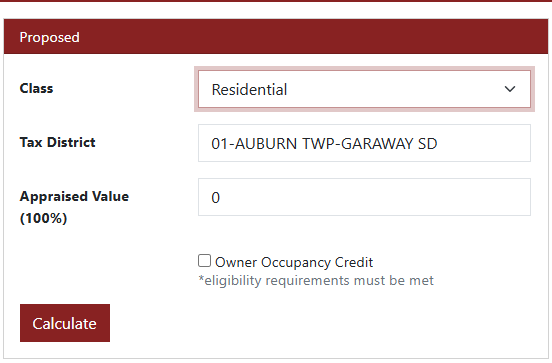
Once the page loads, start by entering basic property information. This includes whether you are using current or proposed values, selecting the property class, and specifying the tax district. Accurate selection ensures the tool applies the correct tax rates for your location.
- Property Class: Residential, Commercial, Agricultural, or Vacant Land
- Tax District: Determines which local and school district rates apply
- Current vs Proposed Value: Choose depending on your purpose (budgeting vs future planning)
Enter the Appraised Value
Next, enter the market value of your property. This is the full 100% appraised value before applying the assessment ratio. Accurate input here is critical, as even small discrepancies can significantly affect your estimated annual taxes. Residential and commercial properties should include all relevant improvements and structures.
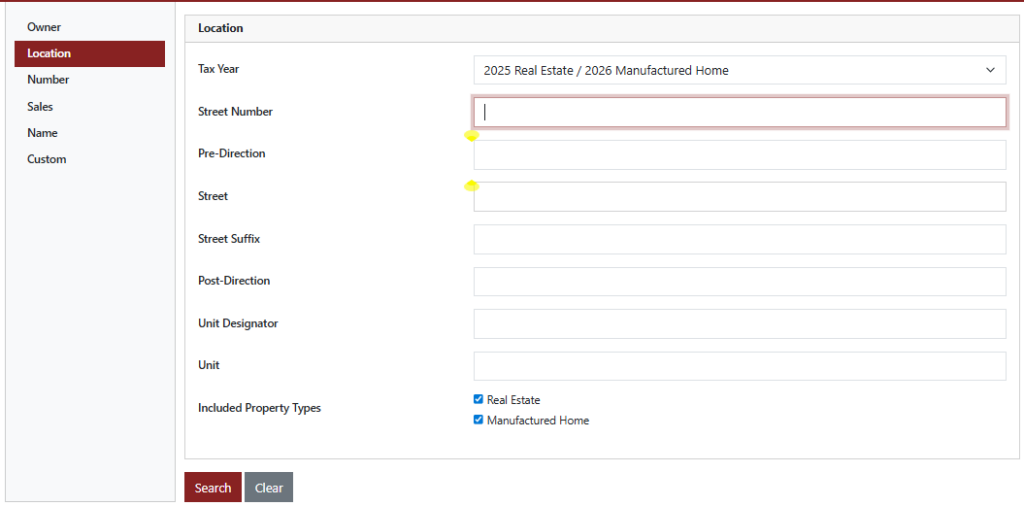
- Use the latest property appraisal or the county auditor’s property search URL: https://auditor.co.tuscarawas.oh.us/Search/Location
- Include land, buildings, and significant upgrades in the valuation
Apply the Assessment Ratio
The assessment ratio converts your property’s market value into a taxable value. Tuscarawas County typically uses a 35% assessment ratio for most properties, but this can vary depending on property type. Entering the correct ratio ensures your estimate is consistent with official county calculations.
- Residential vs Commercial may have different ratios
- Correct ratio ensures the tax estimator produces accurate results
Select Tax Rate
After entering the taxable value, select the applicable tax rate for your property. Tuscarawas County combines multiple levies, including county, township, city, and school district taxes, into a single rate. Using the correct rate is essential for generating precise estimated annual taxes.
- Rates can differ by neighborhood or tax district
- Use official county rates published by the auditor for accuracy
Apply Exemptions and Credits
The tool allows you to apply exemptions or credits to reduce your taxable value. This is important for eligible homeowners, seniors, or veterans. Entering all applicable exemptions ensures the estimated tax amount matches what you may actually owe.
- Owner Occupancy Credit: Lowers taxable value for primary residences
- Senior Citizen / Veteran Credits: Available if eligibility criteria are met
- Homestead Credit: Reduces taxes on primary residences
Calculate and Review
After entering all necessary information, click Calculate to generate your estimated annual taxes. The tool instantly applies all inputs and displays a clear result. You can adjust values to model scenarios, such as property improvements or different exemption combinations.
- Compare residential vs commercial estimates
- Test the effect of exemptions and tax district changes
- Use the result to plan budgets or property purchases
Example Use Cases
| Property Type | Market Value | Assessment Ratio | Tax District | Owner Occupancy / Exemptions | Estimated Annual Taxes |
|---|---|---|---|---|---|
| Residential Home | $200,000 | 35% | City/Township A | Owner Occupancy Credit Applied | $4,060 |
| Commercial Unit | $350,000 | 35% | Township B | No Exemptions | $10,500 |
| Residential Condo | $150,000 | 35% | City/Township A | Owner Occupancy Credit Applied | $3,045 |
| Small Commercial | $300,000 | 35% | Township C | No Exemptions | $9,150 |
Assessment Formula
The assessment formula is the foundation for calculating property taxes in Tuscarawas County. By using this formula, homeowners can determine the estimated tax amount for their property. Essentially, the calculation multiplies the property’s assessed value by the tax rate and divides by 100 to arrive at the final tax. Understanding this formula helps residents see exactly how their property’s value affects their tax obligations. Real Estate Search plays a key role in helping residents and investors identify properties and assess potential tax impacts. This formula is used by the county to ensure fairness and consistency in tax collection. Each property is appraised, assigned a taxable value, and then combined with local tax rates to calculate annual taxes. Using the formula allows homeowners to forecast payments, plan budgets, and evaluate property investments accurately.
Components of the Assessment Formula
The basic formula used in Tuscarawas County is:
Estimated Tax = Assessed Value × Tax Rate ÷ 100
Each component plays a key role:
- Assessed Value: This is the taxable value of your property, derived from the county’s appraisal and valuation process. It often represents a percentage of the property’s market value.
- Tax Rate: Also known as the millage rate, this is set by local authorities and includes county, city, township, and school levies. It is expressed in dollars per $1,000 of assessed value.
- Divide by 100: This converts the product of assessed value and tax rate into the proper dollar amount for the annual property tax.
Worked Example for Clarity
Suppose a residential property has a market value of $200,000, and Tuscarawas County applies a 35% assessment ratio to determine taxable value. The property is in a district with a combined tax rate of 6%.
- Calculate Assessed Value
Assessed Value = Market Value × Assessment Ratio
Assessed Value = $200,000 × 35% = $70,000 - Apply Tax Rate Using the Formula
Estimated Tax = Assessed Value × Tax Rate ÷ 100
Estimated Tax = $70,000 × 6 ÷ 100 = $4,200
Frequently Asked Questions
Many homeowners and property investors in Tuscarawas County have questions about property taxes, assessment values, and exemptions. The Tuscarawas County tax estimator simplifies the process by providing a fast way to calculate an estimated tax amount for any property. By using this tool, residents can plan their budgets, compare properties, and get a clear understanding of their annual tax obligations. These FAQs address common concerns and help homeowners make informed financial decisions regarding property ownership in the county.
How do I estimate my taxes?
To calculate your property taxes in Tuscarawas County, start with the official Tuscarawas County tax estimator. First, enter the market value of your property, select the correct property class such as residential or commercial, and choose the appropriate tax district. Next, include any applicable exemptions or credits for which you qualify. The estimator then applies the county’s assessment ratio and current tax rates to provide an estimated tax amount. Using this tool allows residents to compare multiple properties, forecast annual expenses, and plan purchases effectively. Regular use of the estimator helps property owners stay prepared for upcoming tax bills and understand how property changes or improvements can affect their taxes.
What is included in my assessment?
A property tax assessment in Tuscarawas County includes several key factors that determine the assessed value. The county calculates this value based on the property’s market value, land, improvements, and location. The assessment formula converts the market value into a taxable figure, which is then multiplied by the local tax rate to calculate your annual property tax. County, city, township, and school district levies are all included in the total. Understanding how each component contributes to the estimated tax amount gives homeowners a clearer perspective on why taxes may vary between similar properties. It also helps residents plan better and anticipate changes due to property improvements or reassessments.
Can exemptions reduce my taxes?
Yes, certain exemptions and credits can significantly lower your taxable value and reduce your estimated tax amount. Tuscarawas County offers programs for owner-occupied homes, seniors, veterans, and first-time homeowners. Applying these exemptions in the tax estimator gives a realistic view of potential savings. Each exemption works differently; for example, a senior credit reduces the taxable amount for qualifying homeowners, while homestead or veteran credits provide similar relief. Accurately inputting eligible exemptions ensures that the estimated tax amount reflects what you might truly owe. Using these credits wisely can help residents save hundreds or even thousands of dollars annually.
How often are properties reassessed?
Property values in Tuscarawas County are reassessed periodically to maintain fairness and align with the real estate market. Typically, the county conducts reassessments every six years, though updates may occur sooner for certain districts or after substantial property improvements. Reassessments affect the assessed value, which in turn impacts the estimated tax amount. Residents should monitor announcements from the county auditor’s office about upcoming reassessments. Using the tax estimator with updated values helps homeowners anticipate changes before receiving official bills. Keeping track of reassessments ensures more accurate tax planning and prevents unexpected increases in property taxes.
Assessed value vs market value
The market value of a property represents its estimated sale price in the current real estate market, while the assessed value is a percentage of that market value, determined using the county’s assessment ratio. Property taxes are calculated based on the assessed value, not the full market value. This distinction is important because the market value may fluctuate, but your tax bill is tied to the assessed value. Understanding the difference helps homeowners anticipate how increases in market value or reassessments will influence the estimated tax amount. Using the tax estimator allows residents to simulate these changes and see the potential impact on their annual obligations.
How accurate is the estimator?
The Tuscarawas County tax estimator provides a reliable approximation of your property taxes but may not match the official bill exactly. The tool uses current assessment ratios, tax rates, and applicable exemptions, but official bills may include updates, adjustments, or special levies not reflected in the estimator. For general planning, budgeting, or property comparisons, the tool is highly useful. Homeowners can model different scenarios, such as property improvements or eligibility for new exemptions, to see how these factors impact their estimated tax amount. Always verify final bills with the county auditor for precise payments.