Tuscarawas County Property Tax affects every homeowner and property investor in the county, helping fund schools, roads, and local services. Property values determine how much tax each owner pays, and knowing the rates and due dates ensures payments are made on time. Residents can use county tools to check their property valuation, calculate taxes, and plan finances efficiently. Being aware of exemptions and payment schedules also prevents unexpected penalties and keeps property records accurate.
Tuscarawas County Property Tax bills are usually issued twice a year, reflecting the assessed value of each property multiplied by the applicable millage rate. Understanding how these taxes are calculated can help property owners compare costs across different properties. Local resources, including online calculators and the auditor’s office, provide accurate information for all taxpayers. Following the billing and payment cycle carefully ensures smooth financial planning for homeowners and investors alike.
What is Property Taxes in Tuscarawas County
Property taxes in Tuscarawas County are local levies on real estate that fund schools, roads, emergency services, and other community programs. Every property owner in the county is required to pay taxes based on the assessed value of their property and the applicable local millage rates. The Tuscarawas County Auditor plays a key role in assessing these values and ensuring accurate tax calculations. These taxes ensure the smooth operation of public services and infrastructure that benefit residents and businesses alike. Homeowners and investors who monitor their taxes carefully can avoid late fees and plan their budgets efficiently. Knowing how property taxes are calculated and billed helps residents manage finances and make informed decisions about their property. Proper awareness of tax obligations prevents surprises at the end of the year.
How Property Taxes Are Calculated in Ohio
In Ohio, property taxes begin with a valuation conducted by the county auditor. Each property is assigned an assessed value, usually 35% of the fair market value. The assessed value is then adjusted for any applicable exemptions, such as homestead or senior citizen reductions, to calculate the taxable value. This taxable value becomes the basis for the property tax owed. The county auditor updates property valuations periodically to maintain fairness and accuracy. This method ensures that property taxes reflect the true value of properties while providing qualifying residents with reductions where eligible. Homeowners can verify their assessments through official county auditor resources.
Millage Rates and Their Role
After the taxable value is determined, the next step is applying millage rates, which determine the actual tax owed. Millage rates are expressed as dollars per $1,000 of taxable value and vary depending on the local authorities responsible for services in the area. The total millage is the sum of rates from several local authorities, each funding specific community needs:
- School districts – funding local education and school programs
- Townships – supporting roads, zoning, and local administration
- Municipal governments – covering city or village services
- County services – including law enforcement, courts, and infrastructure
Real-World Examples of Property Tax Calculation
Property taxes in Tuscarawas County depend on both the assessed value and the millage rate. For example, a residential property with a market value of $200,000 has an assessed value of 35%, which equals $70,000. If the combined millage rate from all local authorities is 80 mills, the annual tax is calculated as:
$70,000 ÷ 1,000 × 80 = $5,600
Similarly, a commercial property with a market value of $500,000 and an assessed value of $175,000, with a total millage of 90 mills, would owe $15,750 per year. These calculations illustrate how taxes can vary depending on property type, location, and local millage rates. Residents can use auditor tools to estimate taxes and ensure their payments are correct.
Tax Assessment Process and Review
The tax assessment process ensures each property contributes fairly to local funding based on its value and location. Property owners can review assessments through the county auditor’s official records or online resources to verify accuracy. If a property is overvalued, owners may file a complaint or request a review. Monitoring assessments regularly prevents surprises and ensures tax bills reflect the property’s actual value. This process also allows residents to apply exemptions or corrections for financial relief where applicable. Staying proactive helps maintain transparency and fairness in property taxation across the county.
How to Pay Your Tuscarawas County Property Taxes
Paying Tuscarawas County property taxes doesn’t have to be confusing. Property owners can choose from several payment methods including online, mail, or in-person options. Each method gives secure ways to submit tax payments so accounts stay current and avoid extra charges. Residents should always have their parcel number or property details handy when paying to ensure the correct account is credited. Timely payments help avoid interest or penalties and make sure local services continue without interruption. Knowing your payment choices means you can pick the one that fits your schedule and comfort level best. This section explains each step so you can pay with confidence and clarity.
Pay Property Taxes Online
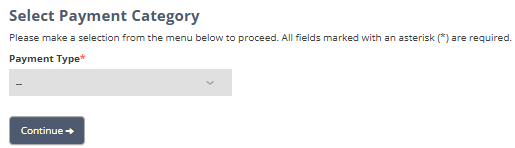
To pay property taxes online in Tuscarawas County, residents can use the official county payment portal. The online service accepts debit and credit cards or e-checks, though convenience fees may apply for card payments. This method is fast, available any time, and provides immediate confirmation for your records. Simply enter your parcel number or property address on the payment screen to find your account and complete the payment process. Once paid, print or save the receipt for your files as proof of payment. Paying online reduces the risk of a mailed payment arriving late or getting lost.
The official portal for online payments is here: https://treasurer.co.tuscarawas.oh.us/ways-to-pay?
Online payment advantages:
- Quick confirmation and record keeping
- 24/7 access via the official payment system
- No need to visit the tax office
- Ability to view payment history
Pay by Mail or In-Person
If online payment isn’t your preference, you can mail your tax payment or pay in person at the Tuscarawas County Treasurer’s Office. When mailing a check or money order, include the payment stub or write your parcel number on the check so the payment is properly applied. In-person payments allow you to get assistance from staff and receive a printed receipt instantly. The Treasurer’s Office also offers a drive‑thru window during regular business hours for added convenience. A 24‑hour drop‑box is typically available for mailed or hand‑delivered payments outside office hours. Be sure to check that mailed payments are postmarked by the due date so they are credited on time.
Tips for traditional payments:
- Make checks payable to “Tuscarawas County Treasurer”
- Include your payment stub or parcel number
- Visit the office for any questions or special requests
- Keep all receipts as tax records
How Property Values Are Assessed
Property values in Tuscarawas County are determined to calculate accurate Tuscarawas County property taxes. The assessed value is the official value assigned by the county auditor and forms the basis for tax calculation. This differs from market value, which is the amount a property could sell for on the open market. While market value fluctuates based on demand and sales, assessed value is standardized to ensure fairness across the county. Understanding this difference helps property owners see why their tax bill may not match recent sale prices in the neighborhood or the property’s current market trends.
Assessed Value vs. Market Value
The assessed value is typically 35% of the market value in Ohio. Market value reflects factors like property condition, size, location, and recent comparable sales. The assessed value is used with local millage rates to calculate taxes owed.
Examples:
- A home with a market value of $250,000 would have an assessed value of $87,500.
- A commercial building with a market value of $600,000 would have an assessed value of $210,000.
Role of the Tuscarawas County Auditor
The Tuscarawas County Auditor is responsible for assigning assessed values to all properties in the county. The auditor reviews sales data, inspects properties, and maintains records to ensure fairness. They periodically update assessed values to reflect new construction, property improvements, or market changes. The auditor’s oversight helps maintain equitable taxation and prevents over- or under-assessment of properties across the county.
Residential vs. Commercial Valuation
Residential and commercial properties are assessed based on different criteria due to their distinct uses. The auditor considers factors such as size, improvements, location, and market trends when determining assessed value.
Examples:
- A single-family home with a market value of $200,000 → assessed value: $70,000.
- A small commercial property with a market value of $500,000 → assessed value: $175,000.
Exemptions and Credits
Certain exemptions and credits reduce the taxable value of properties, lowering the overall Tuscarawas County property taxes for eligible owners.
Common exemptions and credits include:
- Homestead Exemption – reduces taxes for primary residences.
- Senior Citizen Credit – lowers taxes for qualifying residents above a certain age.
- Disabled Veterans Exemption – available to eligible veterans with disabilities.
Applying these exemptions before calculating taxes ensures that homeowners receive financial relief where eligible while maintaining a fair tax system for all.
Tuscarawas County Tax Rates and Millage
Tuscarawas County tax rates and millage rates determine how much property tax each homeowner or investor pays annually. These rates vary by township, school district, special levies, and local assessments. Millage is expressed as “mills,” meaning dollars per $1,000 of assessed value. Higher millage means higher taxes for the same assessed property value. Property owners must know their local millage rates because they directly affect Tuscarawas County property taxes owed each year. Tax levies fund public services like schools, libraries, fire protection, township operations, and county programs. Boat charts and tables make it easier for residents to see how different tax components add up within their district and township.
Current Millage Rates by Township and District
Tuscarawas County does not publish a single flat tax rate; instead, combined millage depends on township + school district + special levies. For example, renewal levies and library taxes can add small amounts of millage on top of basic school and township rates. Some typical millage components that may apply include:
Common Millage Components in Tuscarawas County
- County Senior Citizen Services: ~1.2 mills
- Library District Levies: ~1.0 mill
- Fire & EMS Township Levies: ~1.5–2.5 mills
- Mental Health/Community Services Levies: ~0.5 mills
- Millage associated with school district funding varies by district and elections
Millage Rate Table
The table below illustrates example millage components that could appear in Tuscarawas County tax bills. Actual millage will vary based on location and approved levies. (These numbers are representative only and residents should verify with the county auditor.)
| Tax Component | Typical Millage | Purpose |
|---|---|---|
| County Services | ~1.2 mills | Senior programs, county operations |
| Public Library | ~1.0 mills | Library funding |
| Fire/EMS Township | ~1.5–2.5 mills | Local fire & emergency services |
| Mental Health | ~0.5 mills | Behavioral health services |
| School District | Varies | Local school operations & levies (multiple mills) |
How Millage Affects Annual Property Tax Bills
Millage rates directly determine the final property tax owed. Once the assessed value of a property is established (typically 35% of market value in Ohio), the total mills for that location are applied. For example:
- A home with an assessed value of $70,000 and a total millage rate of 60 mills results in an annual tax of:
$70,000 ÷ 1,000 × 60 = $4,200.
Higher millage rates increase total tax bills, even if assessed values remain stable. Conversely, if levies are reduced or expire and are not renewed, the total millage rate can drop, lowering tax obligations. Because millage varies widely by school district and township, two properties with identical assessed values might owe very different taxes depending on local levies and votes.
Tax Billing Cycle and Due Dates
The tax billing cycle for Tuscarawas County property tax is managed by the Treasurer’s Office and follows Ohio’s statutory deadlines. Property tax bills are generally issued twice a year to spread payments and make budgeting easier for residents. Each tax statement includes the assessed value, applicable millage rates, and any exemptions or credits. Understanding the billing cycle helps homeowners plan payments and avoid late fees. These statements serve as official notices of how much is owed and when payments are due.
Typical Billing Cycle and Due Dates
In Tuscarawas County, property taxes are usually split into two installments per year. The first installment covers the first half of the tax year, and the second installment covers the remaining balance. Deadlines are set by law, and missing them can result in penalties. Property owners should check each year for exact dates or consult their mortgage company if taxes are escrowed.
Standard deadlines (typical schedule):
- First Half: Bill mailed in December, due by January 20
- Second Half: Bill mailed in June, due by July 20
- Escrowed payments: May follow lender-specific timelines
Installment Payments and Special Schedules
Some property owners may qualify for monthly prepayment plans to spread out payments instead of making two large installments. The Treasurer’s Office provides coupon books or instructions for monthly submissions. Payments must always be received or postmarked by the deadline to avoid late penalties. Tracking due dates and following the payment schedule ensures taxes remain current.
Benefits of installment plans:
- Easier budgeting for homeowners
- Avoids large lump-sum payments
- Can prevent late penalties if followed correctly
Penalties for Late or Missed Payments
If a payment is missed, Tuscarawas County applies penalties and interest. A 10% penalty is typically added immediately after the due date. Interest continues to accrue if the bill remains unpaid, increasing the total owed. These rules motivate timely payment and protect funding for schools, emergency services, and infrastructure. Property owners may request penalty remission in certain situations through the Treasurer’s Office.
Penalty highlights:
- 10% late fee for missed installment
- Interest accrues on unpaid balance
- Possible remission request if approved
Handling Delinquent Taxes
When property taxes go delinquent, they become a lien on the property. The Treasurer’s Office may eventually initiate collection actions or foreclosure if unpaid for an extended period. Property owners with delinquent taxes should contact the office to set up payment plans. Acting early can prevent legal actions and additional fees. Delinquent taxes affect both residential and commercial properties.
Delinquent tax tips:
- Contact Treasurer promptly for options
- Set up payment agreements if possible
- Keep records of all communications and payments
Tax Exemptions and Credits
Property tax exemptions and credits in Tuscarawas County help eligible homeowners lower their annual tax burden by reducing taxable value or applying direct tax relief. These programs are especially helpful for seniors, disabled residents, veterans, and others with qualifying circumstances. Tuscarawas County property tax exemptions are designed to provide property tax relief for those who meet specific criteria, and they can make a meaningful difference in the amount owed each year. Knowing the types of exemptions available and how to apply helps residents take full advantage of potential tax savings.
Homestead Exemption
The Homestead Exemption allows qualifying homeowners to reduce the taxable value of their primary residence, which lowers the overall Tuscarawas County property tax owed. This exemption typically applies to homeowners who are at least 65 years old or permanently and totally disabled, provided they meet specific income requirements. In many Ohio counties, including Tuscarawas, the exemption can exclude a set amount of home value from taxation, which results in lower bills. For homeowners using the property search tool, this can help identify eligible properties more easily. To apply, homeowners must complete the official form and submit it to the County Auditor’s Office.
Eligibility for the Homestead Exemption usually includes:
- Owning and occupying the home as the primary residence on January 1 of the tax year.
- Being age 65 or older, or permanently and totally disabled.
- Meeting Ohio Adjusted Gross Income limits for the application year (often around or below $40,000).
- Applications are typically due by December 31 of the year for which the exemption is sought.
Application forms:
- Homestead Exemption Application: https://dam.assets.ohio.gov/image/upload/tax.ohio.gov/forms/real_property/dte_105a.pdf
- Certificate of Disability (if applicable): https://dam.assets.ohio.gov/image/upload/tax.ohio.gov/forms/real_property/DTE_105E.pdf
Senior Citizen and Disability Exemptions
In addition to the homestead exemption, Tuscarawas County offers credits and exemptions specifically for senior citizens and permanently disabled residents. These programs can further reduce taxable value or apply credits that lower your total tax bill. Some exemptions are tied to service‑connected disability status for veterans, and surviving spouses may also qualify. Documentation such as disability certification or veteran status records is required when submitting applications.
Other Local Exemptions
Tuscarawas County may also offer additional exemptions or reductions for other property types or circumstances. These can include:
- Agricultural exemptions (valuing farmland based on current use rather than market value).
- Charitable or nonprofit property exemptions for qualifying organizations.
- Owner‑occupancy credits for properties used as a primary residence.
How to Apply and Deadlines
Applying for tax exemptions in Tuscarawas County generally involves obtaining and completing the correct form, then submitting it and supporting documents to the Tuscarawas County Auditor’s Office by the appropriate deadline. Most exemptions, including the Homestead Exemption, must be filed by December 31 of the year for which you are requesting relief. Some exemptions may require annual renewal or notification if circumstances change. Always check with the Auditor’s Office to confirm the exact deadlines and application processes for your situation.
Where to find forms and help:
- Official application forms are typically available from the Tuscarawas County Auditor’s website or the Ohio Department of Taxation website.
- Contact the Auditor’s Office for assistance with eligibility questions or form submissions.
Frequently Asked Questions
Property owners often have many questions about Tuscarawas County property taxes, from how they are calculated to what exemptions are available. This FAQ section answers the most common inquiries, helping residents understand due dates, payment options, exemptions, and penalties. It is designed to provide clear, actionable guidance while addressing real-world concerns about paying and managing property taxes in Tuscarawas County.
How are Tuscarawas County property taxes calculated?
Tuscarawas County property taxes are calculated using the assessed value of a property combined with the local millage rates. The county auditor assigns the assessed value, typically 35% of the market value, which is then adjusted for any applicable exemptions or credits. This taxable value is multiplied by the total millage rate from township, school district, and other local levies to determine the annual tax owed. The process ensures consistency across residential and commercial properties while reflecting local funding needs for schools, emergency services, and infrastructure. Residents can check their assessed value and millage on the auditor’s official website or through property tax lookup tools.
When are property taxes due in Tuscarawas County?
Property taxes in Tuscarawas County are generally billed semi-annually. The first installment is typically mailed in December and is due by January 20, while the second installment is mailed in June and due by July 20. These due dates follow Ohio statutory deadlines, giving homeowners predictable deadlines to plan payments. Missing a due date can result in penalties and interest, so residents should always verify their tax statement and confirm dates through the Treasurer’s Office or official county resources. Escrowed taxes through a mortgage company may follow different schedules, so checking with the lender is recommended.
Can I pay property taxes online?
Yes, residents can pay property taxes online in Tuscarawas County using the official Treasurer’s payment portal. Online payments are secure, available 24/7, and can be made using a debit or credit card or e-check. Using online payment ensures immediate confirmation, helps avoid late fees, and provides a record for your tax files. To pay online, you typically need your parcel number or property address, which can be found on your tax bill. The official portal is Tuscarawas County Treasurer – Pay Property Taxes Online.
What exemptions and credits are available for property taxes?
Tuscarawas County offers a range of property tax exemptions and credits to reduce tax burdens for eligible residents. The Homestead Exemption lowers taxes on primary residences for homeowners aged 65 or older or those permanently disabled. Other programs include senior citizen credits, disabled veterans exemptions, and certain agricultural or charitable exemptions. Eligibility depends on residency, age, income, disability status, or property type. Homeowners must complete official forms and submit documentation to the County Auditor’s Office to claim these exemptions. More information and application forms are available here.
What happens if I miss a property tax payment?
If a property tax payment is missed, penalties and interest are applied according to Ohio law. Typically, a 10% penalty is assessed immediately after the missed installment due date, and interest accrues on the unpaid balance until the account is current. Continued non-payment may result in a lien being placed on the property, and eventually, the county may initiate collection actions or foreclosure. Property owners with delinquent taxes should contact the Treasurer’s Office promptly to discuss payment plans or other resolution options. Staying proactive helps avoid escalating fees and protects ownership rights.
How can I review my property tax assessment?
Homeowners can review their property tax assessment through the Tuscarawas County Auditor’s online portal. The auditor’s records include assessed value, taxable value, and current millage rates. Reviewing assessments helps ensure your property is accurately valued and that taxes are correctly calculated. If a property appears overvalued, residents may file a complaint or request a review with the Board of Revision, following Ohio’s procedures. Regularly checking assessments also allows timely application of any exemptions or credits to reduce the overall tax bill.
Can I appeal my property tax if I disagree with the assessment?
Yes, property owners in Tuscarawas County can appeal their tax assessment to the Board of Revision. Appeals must follow Ohio’s legal guidelines and are generally filed within a specified period after receiving the tax notice. The board reviews evidence such as recent sales data, property condition, and market comparisons. If the appeal is approved, the assessed value—and consequently the Tuscarawas County property taxes owed—can be reduced. Filing an appeal requires careful documentation, and the auditor’s office can provide guidance on preparing the necessary forms.